The Rise of Digital Influencers and Their Role in Recent Cultural Events
The Impact of Digital Influencers on Modern Culture
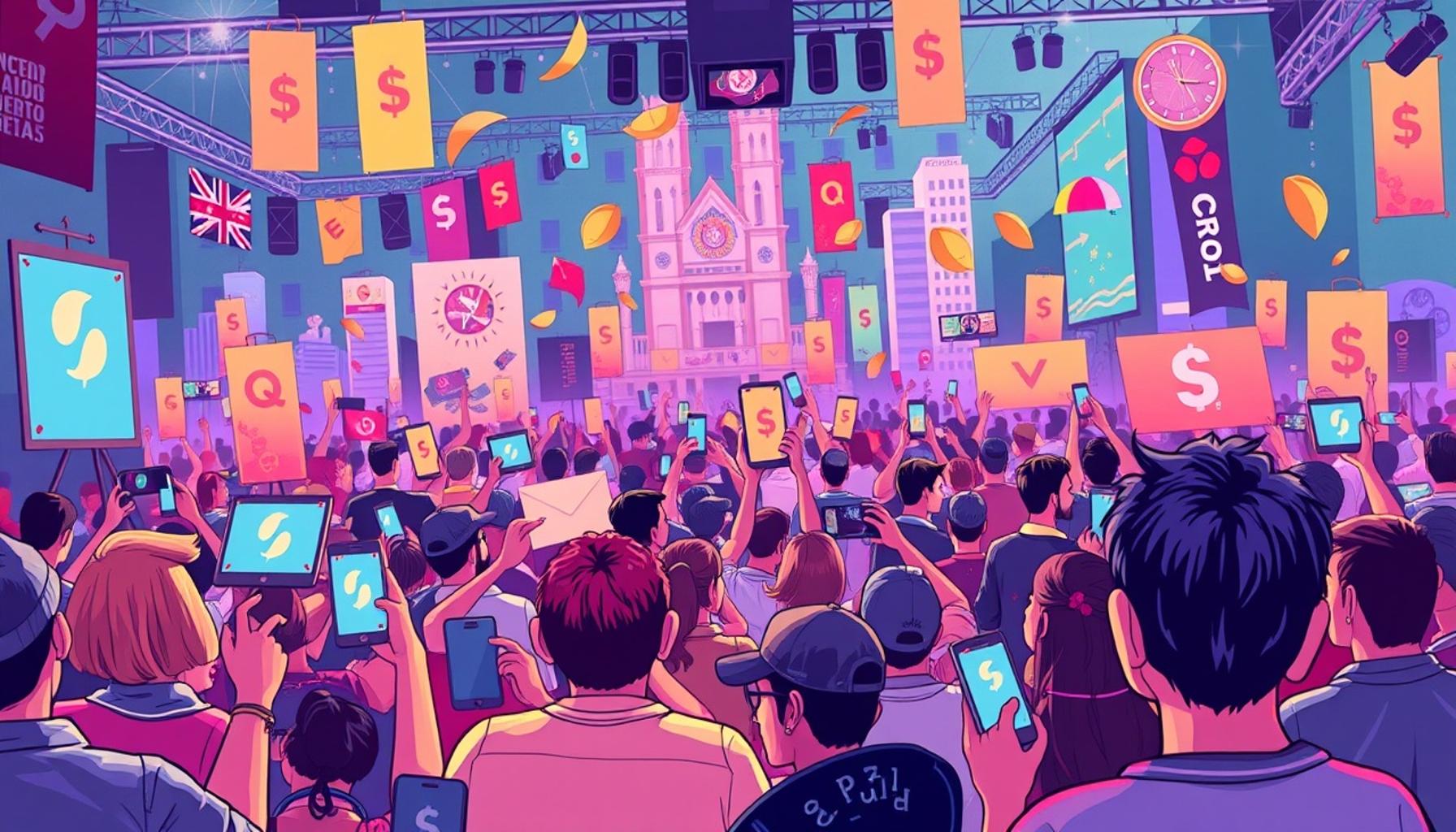
In recent years, the landscape of communication and influence has undergone a remarkable transformation. Digital influencers, individuals who have garnered a substantial following on social media, play a crucial role in shaping public perception and cultural dialogue. Their impact is profound, particularly in the context of significant cultural events, creating ripples that affect various sectors of society and the ways we engage with them.
Consider how digital influencers are actively involved in various sectors:
- Fashion and Beauty: Brands collaborate with influencers to promote products through curated content. For instance, a leading cosmetics company might partner with a popular beauty influencer to showcase a new makeup line. The influencer creates tutorials and reviews that not only highlight the product’s features but also connect it to a lifestyle that resonates with their audience. This strategy often leads to increased sales and brand loyalty, as consumers trust the opinions of voices they admire.
- Social Justice: Influencers leverage their platforms to raise awareness about important issues, encouraging followers to take action. For example, during the Black Lives Matter movement, many influencers used their platforms to educate their followers about systemic racism, share resources for advocacy, and mobilize community support. Such actions not only inform but also motivate audiences to engage in meaningful social change.
- Health and Wellness: Many influencers share content that promotes mental and physical well-being, influencing lifestyle choices. Fitness influencers, for example, post workout routines, nutritional advice, and personal wellness journeys. These influencers can inspire their followers to lead healthier lives, demonstrating how shared experiences can foster a supportive community around wellness.
Examples of their influence are evident in major events:
- Climate Strikes: Influencers have mobilized their audiences to participate in global movements such as the climate strikes initiated by activists like Greta Thunberg. By sharing personal stories and practical tips on sustainability, influencers make such movements relatable and actionable for their followers.
- Political Campaigns: Social media personas have played pivotal roles in driving voter engagement, particularly among younger demographics. Campaigns that include endorsements or collaborations with popular influencers often see a rise in voter turnout and interest in political issues, demonstrating the power these figures hold in shaping democratic participation.
- Cultural Celebrations: Influencers celebrate and promote festivals and events, making them accessible to wider audiences. For instance, through social media, influencers showcase the vibrant traditions of Hispanic Heritage Month, sharing recipes, crafts, and stories that highlight the importance of cultural diversity.
The increasing reliance on digital influencers has created both opportunities and challenges. On one hand, brands and causes can reach targeted audiences with tailored messages; on the other hand, the saturation of influencers can lead to concerns about authenticity and consumer fatigue. Understanding their role in shaping contemporary culture is essential, as they redefine the boundaries of influence and authority in today’s society. As we navigate this new landscape, it is crucial to recognize the significant implications of influencers’ actions, both positive and negative, in molding the social fabric of our time.
DIVE DEEPER: Click here to uncover insights
The Evolution of Digital Influencers
The rise of digital influencers has revolutionized the way we perceive authority and expertise in various fields. Unlike traditional celebrities, who often rely on established platforms and industries to gain fame, digital influencers emerge from grassroots movements on social media. They build their followings through relatable content, engaging storytelling, and authentic interactions with their audience. This unique relationship fosters a sense of community and trust, which brands and movements are increasingly eager to tap into.
The effectiveness of digital influencers can be attributed to their ability to connect with their followers on a personal level. By sharing their experiences, struggles, and triumphs, these influencers become relatable figures, often breaking down barriers between themselves and their audience. This accessibility is a significant factor that contributes to their influence over cultural events.
Key Attributes of Successful Digital Influencers
Digital influencers exhibit several traits that contribute to their rising star in the cultural landscape:
- Authenticity: Influencers who maintain genuine communication with their followers are perceived as more trustworthy. They share not just highlight reels but also challenges, creating a realistic portrayal of their lives and making their opinions more valuable.
- Engagement: Successful influencers actively engage with their audience through comments, live Q&A sessions, and personalized messages. This interaction fosters a sense of belonging among followers, encouraging them to advocate for causes and brands the influencer supports.
- Niche Knowledge: Many influencers focus on specific topics, which positions them as experts in their fields. Whether it’s fashion, fitness, travel, or advocacy, their specialized content attracts audiences looking for insights and inspiration.
- Diversity and Representation: Influencers come from various backgrounds and experiences, promoting a wider acceptance of diversity. This representation sparks important conversations about inclusivity, making cultural events richer and more meaningful.
As these influencers continue to evolve, their methods of engagement are transforming, especially during significant cultural events. For instance, when the COVID-19 pandemic gripped the world, many influencers took on the role of educators by sharing accurate health information and health guidelines, which helped to counter misinformation. Through their platforms, they informed audiences about the importance of wearing masks and practicing social distancing, demonstrating the power they wield when it comes to public health initiatives.
Moreover, the digital landscape allows influencers to respond swiftly to evolving cultural dynamics. This adaptability is crucial in our fast-paced society, where trends and movements can spread rapidly across social media channels. Influencers who stay attuned to their audience’s changing preferences and societal issues find themselves at the forefront of cultural conversations, making them essential players during pivotal moments.
In summary, the rise of digital influencers has fostered new avenues of engagement within modern culture. With their unique blend of authenticity, expertise, and relatability, they have become vital in shaping discussions around important cultural events. As we continue to observe their impact, it is clear that their roles as cultural intermediaries will only grow more pronounced in the years to come.
LEARN MORE: Click here to discover the importance of portfolio diversification
The Cultural Impact of Digital Influencers
The influence of digital influencers extends beyond mere product endorsements; they play a crucial role in shaping societal values and driving movements. In recent years, we have witnessed their involvement in significant cultural events that mirror the shifts in public consciousness, such as the Black Lives Matter movement and climate change activism. These influencers leverage their platforms to amplify voices and messages that resonate with their followers, urging collective action and sparking widespread engagement.
During the Black Lives Matter protests, many digital influencers took to social media to share educational content about systemic racism, police brutality, and social justice. By lending their platforms to lesser-heard voices, they embraced a responsibility that goes beyond entertainment. For instance, popular influencers utilized their followers’ trust to advocate for petitions, fundraisers, and educational resources, effectively mobilizing their communities and contributing to the broader conversation around racial equality.
Another significant example is the climate change movement, where influencers have emerged as passionate advocates for sustainability. Noteworthy figures within this space engage audiences by sharing tips on reducing carbon footprints and promoting eco-friendly brands. By aligning themselves with this increasingly critical issue, they not only capture the attention of socially-conscious consumers but also challenge corporations to take environmental responsibilities more seriously. Through campaigns like #TrashTag, influencers inspired thousands of individuals to participate in clean-up initiatives, thus translating online engagement into tangible action.
Digital Activism and Brand Partnerships
The intersection of digital activism and brand partnerships forms another layer of influence. As brands look to connect with consumers driven by social responsibility, many collaborate with influencers who align with their values. For example, brands may partner with influencers who are vocal about mental health to promote wellness products. This collaboration adds depth to marketing campaigns by ensuring authenticity and relatability, elements crucial for today’s consumers.
However, this blending of activism and marketing can also lead to challenges. Consumers are increasingly vigilant about “performative activism,” where brands or influencers appear to support a cause superficially without making meaningful commitments. Thus, influencers who wish to maintain their credibility must ensure that their partnerships adhere to the principles they promote. Authenticity remains a dominant principle; if influencers champion a cause without backing it with actions, they risk alienating their audience.
Beyond brand partnerships, digital influencers are playing a vital role in amplifying movements through their storytelling capabilities. By sharing personal narratives, they humanize larger societal issues, effectively fostering empathy and understanding among their audience. For example, influencers discussing their experiences with mental health can help de-stigmatize the topic, encouraging followers to seek help and share their own stories. This exchange creates a community that transcends geographical boundaries, emphasizing that many struggles are universal.
The potential for digital influencers to catalyze change is becoming increasingly evident. As their authority in cultural discussions continues to grow, so too does their responsibility to contribute positively to the society they represent. Their ability to engage, educate, and inspire collective action is a powerful testament to the evolving role of influencers in shaping cultural narratives in our time.
LEARN MORE: Click here for a quick guide on applying
Understanding the Future of Digital Influencers
In conclusion, the rise of digital influencers marks a significant evolution in communication and social engagement. As we have seen, their involvement in critical cultural events—from advocating for racial equality during the Black Lives Matter movement to championing environmental sustainability—highlights their growing impact in shaping public discourse and societal values. By harnessing the power of their platforms, these influencers serve not only as entertainers but also as catalysts for change, effectively mobilizing their audiences to take action and engage with important issues.
Additionally, the melding of digital activism and brand partnerships presents a unique landscape where corporate accountability and social responsibility intersect. While these collaborations can enhance the authenticity of marketing campaigns, it remains vital for influencers to align their actions with their advocacy to avoid perceptions of performative activism. This balance is crucial in maintaining credibility and fostering a genuine connection with their followers.
Looking ahead, as digital influencers continue to wield social power, it is essential for them to reflect on their role as both cultural icons and public advocates. Their ability to tell compelling stories and humanize complex issues can foster deeper understanding and empathy among diverse audiences. Ultimately, the potential for positive impact in cultural conversations and social action through these influential figures is immense, paving the way for a more engaged and socially conscious generation.

Linda Carter
Linda Carter is a writer and expert known for producing clear, engaging, and easy-to-understand content. With solid experience guiding people in achieving their goals, she shares valuable insights and practical guidance. Her mission is to support readers in making informed choices and achieving significant progress.